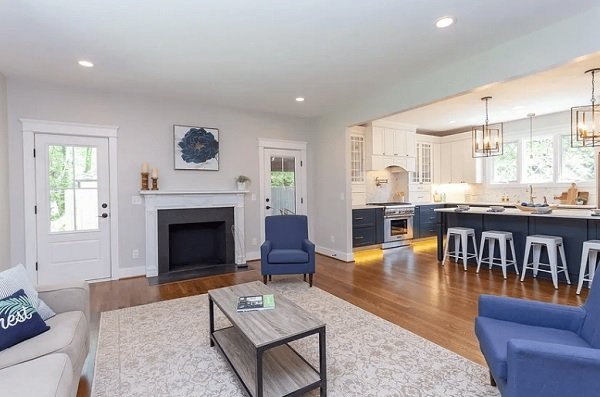
Luxury at home does not have to mean a full renovation, a designer budget, or a room filled with expensive statement pieces. In many cases, the spaces that feel the most refined are the ones that are calm, intentional, and comfortable to live in every day. Simple luxury is about choosing details that improve how a room looks and feels without making it seem overly styled. It can come from softer lighting, better texture, thoughtful organization, or a more cohesive color palette. The goal is not to make your home look like a showroom, but to help it feel more polished, welcoming, and personal.
Start with a Calm, Cohesive Foundation
One of the easiest ways to make a room feel more elevated is to simplify the visual foundation. This does not mean removing every personal item or relying only on beige and white. It means creating a sense of harmony so the eye can move through the space without distraction. A soft neutral palette, warm wood tones, muted greens, gentle blues, charcoal accents, or creamy whites can all work well when they are repeated with intention. Even if you enjoy color, keeping larger items such as sofas, rugs, curtains, and walls within a related palette can make the space feel more composed.
Decluttering is also part of this foundation, but it should be approached with care rather than severity. Instead of clearing every surface, keep the pieces that serve a purpose or add meaning. A ceramic bowl on an entry table, a stack of well-loved books, or a single vase with seasonal branches can look more luxurious than several unrelated accessories competing for attention. When each item has breathing room, ordinary objects begin to feel curated. This kind of editing makes a room feel calmer, and calm is often what people notice first when they enter a beautiful space.
Layer Texture Instead of Adding More Decor
Texture is one of the most reliable tools for creating simple luxury because it adds depth without making a room feel busy. A space can be visually quiet and still feel rich when it includes a thoughtful mix of materials. Linen curtains, a wool rug, cotton bedding, boucle upholstery, woven baskets, leather accents, stone trays, and smooth wood surfaces all bring different tactile qualities into a room. These layers make a space feel considered even when the color palette stays restrained.
The key is to choose textures that complement one another rather than overwhelm the room. For example, a living room with a simple sofa can feel more refined with a substantial throw, a textured pillow cover, and a rug that has subtle movement in the weave. A bedroom can feel more restful with layered bedding, a soft bench at the foot of the bed, and curtains that fall cleanly to the floor. These changes are not about adding more objects. They are about improving the sensory experience of the room, which is a major part of what makes a home feel luxurious.
Use Lighting to Shape the Mood
Lighting has a powerful effect on how polished a room feels. Overhead lighting alone can make even a well-designed space look flat, while layered lighting creates warmth and dimension. A balanced room usually includes more than one source of light, such as a ceiling fixture, table lamps, floor lamps, picture lights, sconces, or small accent lamps on shelves. This allows you to adjust the atmosphere throughout the day and gives the room a softer, more intentional glow in the evening.
Small lighting upgrades can make a noticeable difference. Swapping a basic lampshade for one in linen or paper, using warm white bulbs, adding a dimmer where appropriate, or placing a lamp in a darker corner can make the entire space feel more inviting. Light should help define the room rather than simply illuminate it. A reading chair becomes more appealing with a nearby floor lamp, a dining table feels more intimate under a warm pendant, and artwork gains presence when it is gently highlighted. These details create atmosphere without calling too much attention to themselves.
Choose Art and Objects with Personal Meaning
Art is often what makes a room feel complete, but it does not need to be expensive or dramatic to have impact. The most successful pieces usually connect to the mood of the space and to the person who lives there. A quiet landscape, an abstract print, a black and white photograph, or a small framed sketch can add character while keeping the room refined. When selecting artwork, consider scale, spacing, and placement. A piece that is too small above a sofa can feel accidental, while a properly sized work can anchor the entire wall.
For a more collected look, mix different types of visual pieces rather than matching everything exactly. Framed prints, vintage finds, family photography, and unique fine art photos can work together when they share a thoughtful color story or consistent framing style. The same idea applies to decorative objects. A handmade vessel, a sculptural candleholder, or a tray gathered from travel can add quiet interest because it feels chosen, not simply placed. Simple luxury often comes from restraint, but it should never feel impersonal. The best rooms leave space for memory, taste, and individuality.
Upgrade Everyday Details
Simple luxury is often found in the details people use every day. A room can feel instantly more elevated when practical items are attractive, well-made, and easy to reach. In the bathroom, this might mean replacing mismatched bottles with refillable dispensers, adding plush hand towels, or placing a small stool near the tub. In the kitchen, it might mean using a wooden cutting board as a warm accent, keeping fresh herbs near a window, or storing frequently used utensils in a simple ceramic crock. These choices do not need to be costly, but they should feel intentional.
Hardware, textiles, and scent can also change the feel of a space. New cabinet pulls, updated switch plates, crisp pillow covers, or a properly sized rug can make a familiar room feel refreshed. A subtle home fragrance, fresh flowers, or clean linens can make the experience of the room more pleasant without adding visual clutter. The goal is to pay attention to the small points of contact between the home and daily life. When these details are comfortable and cohesive, the entire space feels more refined.
Conclusion
Adding luxury to your space does not require excess. In fact, the most enduring interiors often rely on clarity, comfort, and thoughtful choices rather than dramatic changes. By simplifying the foundation of a room, layering texture, improving the lighting, choosing meaningful art, and upgrading everyday details, you can create a home that feels polished without feeling formal. Simple luxury is less about impressing others and more about making your surroundings feel calm, useful, and beautiful in ways that support your daily life. When each choice has purpose, even modest updates can make a space feel more elevated, personal, and complete.