Introduction
Workplace management has evolved far beyond simply assigning desks and monitoring attendance. In today’s fast-moving professional world, companies are expected to create work environments that support productivity, collaboration, employee well-being, and operational efficiency all at once. This is where workplace management EWMagWork becomes an increasingly important concept for organizations looking to modernize how they operate.
At its core, workplace management EWMagWork focuses on creating structured, efficient, and adaptable workplaces that help businesses and employees perform at their best. It combines strategic planning, technology integration, communication systems, workspace optimization, and employee experience management into one unified approach. Businesses are no longer just managing offices; they are managing ecosystems where people, technology, and processes work together.
Modern companies face several workplace challenges, including remote work coordination, employee engagement, resource allocation, and maintaining company culture across hybrid environments. Traditional management systems often struggle to keep up with these changing demands. Workplace management EWMagWork addresses these issues by encouraging smarter operational frameworks that improve flexibility and reduce inefficiencies.
Organizations that invest in workplace management strategies often notice measurable improvements in employee satisfaction, collaboration, and productivity. Employees feel more supported when systems are organized, communication is streamlined, and workplace policies are designed with real human needs in mind. This directly impacts retention rates and overall business performance.
In this article, we will explore the importance of workplace management EWMagWork, its key components, benefits, implementation strategies, common challenges, and future trends shaping modern workplaces. Whether you manage a small startup or a large enterprise, understanding workplace management can help you create a more productive and resilient organization.
Understanding Workplace Management EWMagWork
Workplace management EWMagWork refers to the strategic coordination of people, spaces, technology, and operational processes within a business environment. The goal is to ensure that employees can work efficiently while organizations maintain smooth day-to-day operations. Unlike traditional office administration, this approach focuses heavily on adaptability, employee experience, and long-term sustainability.
One of the major reasons workplace management has become so important is the rise of hybrid and remote work models. Businesses now operate across multiple physical and digital environments. Employees may work from home, shared workspaces, or company offices depending on their roles and schedules. Managing these different working arrangements requires structured systems that maintain communication, accountability, and workflow consistency.
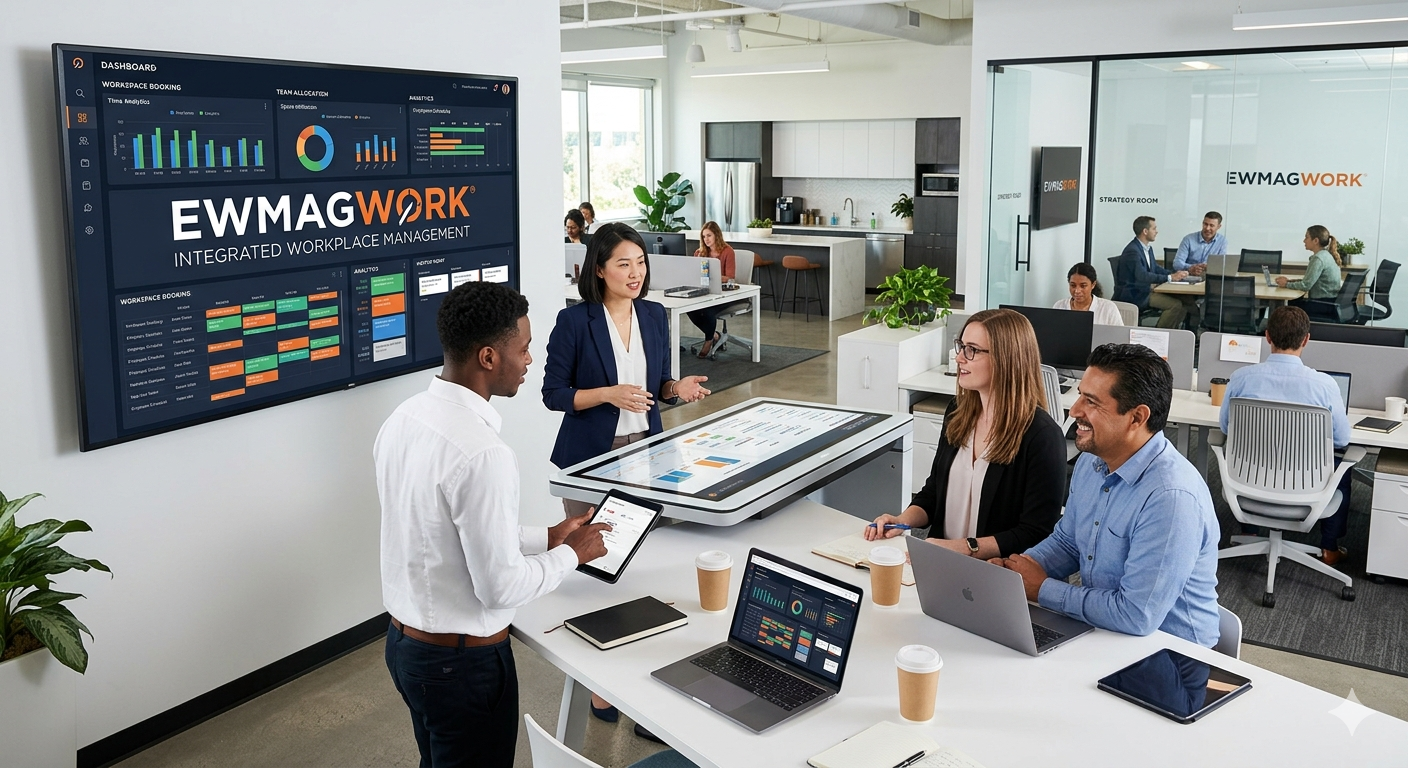
Technology plays a central role in workplace management EWMagWork. Businesses rely on workplace management software, scheduling tools, communication platforms, and automation systems to improve efficiency. These technologies help organizations monitor resource usage, optimize office space, track employee performance, and simplify administrative tasks. When implemented correctly, technology reduces manual workloads and improves organizational transparency.
Another important aspect of workplace management is employee well-being. Companies have realized that productive employees are not simply those who work longer hours. Productivity often depends on mental health, work-life balance, ergonomic environments, and positive workplace culture. Workplace management EWMagWork encourages organizations to prioritize employee satisfaction alongside business performance.
Workplace management also includes facilities management, safety protocols, operational planning, and communication strategies. Every part of the work environment must function cohesively to support employees and organizational goals. Businesses that overlook workplace structure often experience communication gaps, inefficiencies, and low employee morale.
As competition continues to grow across industries, companies can no longer rely solely on outdated management systems. Workplace management EWMagWork provides a modern framework that helps organizations remain competitive while supporting employees in a rapidly changing professional landscape.
The Importance of Effective Workplace Management

workplace management EWMagWork Effective workplace management is essential because it directly influences how employees perform, collaborate, and contribute to business growth. A poorly managed workplace creates confusion, inefficiency, and frustration, while a well-managed environment encourages productivity and innovation.
One of the biggest benefits of workplace management EWMagWork is improved productivity. Employees perform better when they have access to the right tools, organized systems, and supportive environments. Clear communication channels reduce misunderstandings and help teams complete projects more efficiently. Structured workplace processes also minimize delays and unnecessary disruptions.
Employee engagement is another major factor influenced by workplace management. Workers who feel valued and supported are more likely to remain committed to their organization. Companies that focus on workplace experience often experience lower turnover rates because employees appreciate environments that prioritize their comfort and professional growth. This creates long-term organizational stability.
Workplace management also improves collaboration. Modern businesses rely heavily on teamwork, especially in hybrid and remote settings. Effective management systems ensure employees can communicate seamlessly regardless of their location. Digital collaboration tools, scheduling systems, and project management platforms all contribute to smoother workflows.
Another reason workplace management is important is operational efficiency. Businesses must carefully manage resources such as office space, equipment, utilities, and time. Workplace management EWMagWork helps organizations optimize these resources to reduce unnecessary expenses. Efficient resource management allows companies to invest more in innovation and employee development.
Health and safety have also become critical priorities in workplace management. Organizations are expected to maintain safe environments that protect employees physically and mentally. This includes proper workspace design, emergency preparedness, cybersecurity practices, and mental health support initiatives. Companies that ignore these responsibilities risk damaging both employee trust and their public reputation.
Ultimately, effective workplace management creates a foundation for long-term business success. It enables organizations to adapt to changing market conditions while maintaining employee satisfaction and operational stability.
Key Components of Workplace Management EWMagWork
Successful workplace management depends on several interconnected components that work together to create efficient and supportive environments. Each component plays a unique role in improving organizational performance and employee experience.
The first major component is workspace optimization. Businesses must design work environments that support productivity and collaboration. This includes office layouts, meeting spaces, remote work policies, and ergonomic considerations. Flexible workspaces have become increasingly popular because they allow employees to choose environments that best suit their tasks and working styles.
Technology integration is another critical component of workplace management EWMagWork. Organizations rely on digital tools to manage communication, scheduling, resource allocation, and workflow automation. Cloud-based systems allow employees to access information from anywhere, which is especially important in hybrid work environments. Automation also reduces repetitive administrative tasks and increases efficiency.
Communication management is equally important. Strong communication systems ensure employees remain informed, connected, and aligned with organizational goals. Businesses that encourage transparent communication often experience stronger teamwork and reduced workplace conflict. Communication tools such as messaging platforms, video conferencing software, and collaborative dashboards have become essential in modern workplaces.
Employee experience management focuses on creating positive workplace cultures that support motivation and well-being. This includes recognition programs, career development opportunities, wellness initiatives, and flexible scheduling policies. Employees who feel appreciated are more likely to contribute positively to the organization.
Facilities management is another key area within workplace management. This involves maintaining office infrastructure, equipment, security systems, and environmental conditions. A clean, organized, and safe workplace contributes significantly to employee satisfaction and operational efficiency.
Finally, performance management helps organizations monitor productivity and identify areas for improvement. Businesses use performance tracking systems, feedback mechanisms, and data analytics to evaluate workplace effectiveness. Continuous improvement is essential because workplace needs evolve over time.
When these components function together, workplace management EWMagWork creates an environment where employees and businesses can thrive simultaneously.
Challenges in Modern Workplace Management
Despite its many benefits, workplace management also comes with significant challenges. Modern organizations operate in increasingly complex environments where employee expectations, technological demands, and business pressures continue to evolve rapidly.
One major challenge is managing hybrid workforces. Employees now work across multiple locations, making communication and collaboration more difficult. Managers must ensure remote workers remain engaged while maintaining equal access to resources and opportunities. Without proper systems, hybrid work arrangements can lead to isolation and reduced teamwork.
Technology management presents another challenge. While digital tools improve efficiency, they also require constant updates, cybersecurity measures, and employee training. Businesses that adopt too many disconnected systems often create confusion instead of efficiency. Workplace management EWMagWork requires thoughtful technology integration rather than simply adding more software.
Employee burnout has become a growing concern in modern workplaces. Constant connectivity, high workloads, and blurred boundaries between work and personal life contribute to stress and fatigue. Organizations must develop workplace policies that encourage balance and mental well-being. Ignoring burnout can result in reduced productivity and increased employee turnover.
Another challenge involves maintaining workplace culture in remote and hybrid settings. Company culture traditionally developed through face-to-face interactions, shared experiences, and office environments. Modern workplaces must find new ways to build relationships and maintain organizational identity across digital platforms.
Resistance to change is also common during workplace management transformation. Employees and managers may hesitate to adopt new technologies or processes, especially if they are comfortable with existing systems. Effective leadership and communication are essential to help teams adapt to workplace improvements.
Cost management can create additional difficulties. Implementing workplace management systems often requires investments in technology, infrastructure, and employee training. Smaller businesses may struggle to allocate sufficient resources for large-scale workplace improvements. However, long-term efficiency gains often outweigh initial costs.
Successfully addressing these challenges requires strategic planning, continuous learning, and strong leadership commitment.
Strategies for Improving Workplace Management EWMagWork
Organizations that want to improve workplace management must adopt strategies that balance operational efficiency with employee needs. A thoughtful approach helps businesses create environments that support both productivity and long-term growth.
One effective strategy is investing in workplace technology that simplifies communication and workflow management. Companies should choose integrated systems that allow employees to collaborate easily across departments and locations. Unified communication platforms reduce confusion and improve coordination.
Flexible work policies are another important strategy. Employees increasingly value flexibility in how and where they work. Businesses that offer hybrid work options, flexible schedules, and remote opportunities often experience higher employee satisfaction. However, flexibility should still include clear expectations and accountability measures.
Regular employee feedback is essential for successful workplace management EWMagWork. Organizations should actively listen to employee concerns and suggestions through surveys, meetings, and performance discussions. Feedback helps leaders identify workplace issues before they become larger problems.
Training and development programs also contribute significantly to workplace management success. Employees need ongoing support to adapt to new technologies, processes, and workplace expectations. Businesses that prioritize learning opportunities create more confident and capable teams.
Another valuable strategy involves redesigning workspaces to support collaboration and well-being. Modern offices should include quiet focus areas, collaborative meeting spaces, and comfortable environments that reduce stress. Even remote workers benefit from organizations that provide ergonomic support and digital wellness resources.
Leadership development is equally important. Managers play a central role in workplace culture and employee experience. Effective leaders communicate clearly, support employee growth, and encourage positive workplace relationships. Poor leadership can undermine even the most advanced workplace management systems.
Data-driven decision-making can further improve workplace management. Organizations should use analytics to monitor productivity, resource usage, employee engagement, and operational efficiency. Data helps businesses make informed adjustments that improve workplace performance over time.
By combining technology, flexibility, communication, and employee support, companies can build workplace management systems that remain effective in changing business environments.
The Future of Workplace Management EWMagWork
The future of workplace management EWMagWork will likely be shaped by technological innovation, evolving workforce expectations, and increased focus on employee well-being. Businesses must prepare for continuous change as work environments become more digital and interconnected.
Artificial intelligence is expected to play a major role in workplace management. AI-powered systems can automate scheduling, analyze productivity patterns, optimize resource allocation, and improve decision-making processes. These technologies will help organizations operate more efficiently while reducing administrative burdens.
Smart workplaces are also becoming increasingly common. Internet-connected devices can monitor office occupancy, energy usage, air quality, and workspace conditions in real time. Businesses can use this information to create healthier and more sustainable work environments.
Employee experience will continue to remain a top priority. Future workplace management strategies will likely focus even more on mental health support, career development, and work-life balance. Companies that fail to prioritize employee well-being may struggle to attract and retain skilled professionals.
Hybrid work models are expected to become permanent for many industries. Organizations will need workplace systems that support seamless transitions between remote and in-office work. This includes secure digital infrastructure, flexible scheduling, and strong virtual collaboration tools.
Sustainability will also influence workplace management in the coming years. Businesses are increasingly expected to reduce environmental impact through energy-efficient offices, paperless systems, and sustainable workplace practices. Eco-friendly workplaces not only benefit the environment but also improve corporate reputation.
Diversity and inclusion initiatives will further shape workplace management practices. Organizations are recognizing the value of inclusive environments where employees from different backgrounds feel respected and supported. Inclusive workplace strategies contribute to creativity, innovation, and stronger team performance.
As workplaces continue to evolve, adaptability will become one of the most valuable organizational traits. Businesses that embrace innovation while maintaining strong employee relationships will be best positioned for long-term success.
Conclusion
Workplace management EWMagWork represents a modern approach to creating efficient, adaptable, and employee-focused work environments. In today’s competitive business landscape, organizations can no longer rely on outdated management practices that ignore employee experience and technological advancement.
Effective workplace management improves productivity, strengthens collaboration, enhances employee satisfaction, and supports long-term operational success. By integrating technology, optimizing workspaces, supporting employee well-being, and maintaining strong communication systems, businesses can build environments where people and processes work together effectively.
Although workplace management comes with challenges such as hybrid workforce coordination, burnout prevention, and technology integration, these obstacles can be addressed through strategic planning and continuous improvement. Companies that invest in workplace management systems often gain significant advantages in employee retention, efficiency, and organizational resilience.
The future of workplace management will continue evolving as businesses adopt artificial intelligence, smart workplace technologies, and flexible work models. Organizations that remain adaptable and employee-centered will be better prepared to thrive in changing professional environments.
Ultimately, workplace management EWMagWork is not just about managing offices or enforcing policies. It is about creating workplaces that empower employees, support innovation, and drive sustainable business growth. Companies that understand this shift will be more capable of succeeding in the modern world of work.