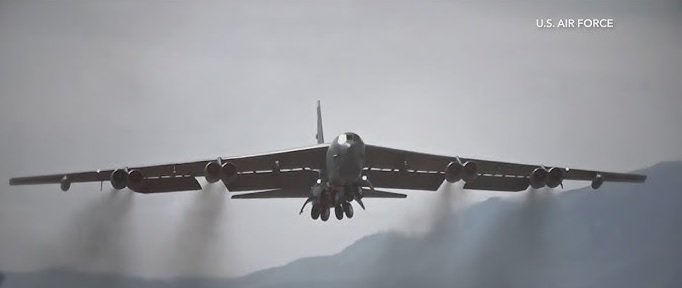
The Boeing B52 Bomber Stratofortress, commonly known as the B-52 bomber, is one of the most iconic military aircraft ever built. For more than seven decades, this long-range strategic bomber has played a significant role in military operations, technological advancement, and global defense strategy. Its remarkable longevity and adaptability have made it a symbol of air power and one of the most enduring aircraft in aviation history.
The Birth of the B-52 Bomber
The B-52 was developed during the early years of the Cold War when the United States sought a bomber capable of delivering nuclear weapons over intercontinental distances. Designed and manufactured by Boeing, the aircraft first flew in 1952 and entered service with the United States Air Force in 1955.
At the time, the b52 bomber represented a major leap forward in aviation technology. Its swept-wing design, eight jet engines, and long operational range allowed it to carry heavy payloads farther than many of its predecessors.
Design and Technical Innovations
One of the reasons for the B-52’s enduring success is its innovative design.
Long-Range Capability
The aircraft was built to travel vast distances without refueling. This capability enabled it to reach strategic targets around the world, making it a key component of the United States’ nuclear deterrence strategy.
Massive Payload Capacity
The B-52 can carry a wide variety of weapons, including:
- Conventional bombs
- Precision-guided munitions
- Cruise missiles
- Nuclear weapons
Its ability to adapt to changing mission requirements has helped keep it relevant across multiple generations.
Durability and Reliability
The B-52’s robust construction has allowed many aircraft to remain operational for decades. Continuous upgrades to avionics, communication systems, and weapons capabilities have extended its service life far beyond what its original designers envisioned.
The B-52 During the Cold War
The Cold War was the defining era for the b52 Bomber. As tensions grew between the United States and the Soviet Union, the aircraft became a central element of strategic deterrence.
Nuclear Deterrence
Armed with nuclear weapons, b52 bomber were often kept on alert, ready to respond in the event of a conflict. Their presence served as a powerful reminder of the United States’ ability to project force globally.
Strategic Air Command
The aircraft became a cornerstone of the Strategic Air Command, which maintained readiness throughout much of the Cold War period.
Combat Operations and Military Service
Although originally designed for nuclear missions, the B-52 soon proved valuable in conventional warfare.
The Vietnam War
During the Vietnam War, B-52 bombers conducted large-scale bombing campaigns. Their ability to deliver significant payloads made them an important asset in military operations.
Operations in the Middle East
The B-52 has participated in numerous conflicts, including:
- Gulf War
- War in Afghanistan
- Iraq War
In these operations, the aircraft demonstrated its versatility by delivering precision-guided weapons and supporting ground forces.
Modernization and Continued Relevance
Many military aircraft are retired after a few decades, but the B-52 continues to evolve.
Advanced Technology Upgrades
Over the years, the aircraft has received numerous improvements, including:
- Modern radar systems
- Enhanced navigation equipment
- Updated communication systems
- Improved weapons integration
These upgrades have transformed the B-52 from a Cold War nuclear bomber into a versatile modern combat platform.
Future Engine Programs
New engine modernization efforts aim to improve fuel efficiency, reliability, and operational effectiveness. These enhancements are expected to keep the aircraft flying well into the 21st century.
Why the B-52 Remains Important
The B-52 remains valuable because of its unique combination of range, payload, and adaptability.
Cost-Effective Operations
Compared to developing entirely new strategic bombers, upgrading existing B-52 aircraft provides a cost-effective solution for maintaining long-range strike capabilities.
Global Reach
Its ability to operate across continents gives military planners flexibility during crises and international operations.
Strategic Presence
The aircraft continues to serve as a visible symbol of military capability and deterrence around the world.
Cultural and Historical Impact
Beyond its military role, the B-52 has become an aviation icon. It has appeared in documentaries, films, books, and museums, representing both technological achievement and a significant chapter in modern history.
Many aviation enthusiasts regard the aircraft as one of the most successful military designs ever created. Few aircraft have remained operational across multiple generations while continuing to adapt to changing technologies and strategic requirements.
Conclusion
The legacy of the b52 bomber is one of innovation, endurance, and adaptability. Since its introduction in the 1950s, the Boeing B-52 Stratofortress has served through the Cold War, numerous military conflicts, and decades of technological change. Its ability to evolve while maintaining its core strengths has secured its place as one of the most influential aircraft in aviation history. As modernization efforts continue, the B-52 is poised to remain a vital component of air power for many years to come.