The kitchen has evolved far beyond being just a place to cook meals. Today, it acts as the heart of the home — a space where families gather, Kitchen Design Ideas conversations happen, and daily routines begin and end. Because of that, modern kitchen design is no longer only about cabinets and countertops. It is about creating a balance between beauty, comfort, storage, functionality, and personal style.
Whether you are planning a complete kitchen renovation or simply looking for ways to refresh your current space, the right design choices can completely transform how your kitchen looks and feels. From open-concept layouts to clever storage ideas and modern lighting trends, there are countless ways to create a kitchen that feels inviting and practical at the same time.
In this article, we will explore some of the best kitchen design ideas that combine timeless style with modern convenience. These ideas work for large homes, compact apartments, luxury kitchens, and budget-friendly remodels alike.
Open Concept Kitchen Designs
Open-concept kitchens continue to dominate modern home design, and for good reason. Removing barriers between the Kitchen Design Ideas and living or dining area instantly creates a brighter, more spacious environment. This layout encourages interaction, making it ideal for families and people who enjoy entertaining guests.
One of the biggest advantages of an open kitchen is improved flow. Instead of feeling isolated while cooking, homeowners can stay connected with family members or visitors. Parents can supervise children while preparing meals, and guests can comfortably socialize without crowding the cooking area. This design naturally creates a warm and welcoming atmosphere.
Another reason open kitchens are popular is the visual impact. Without walls interrupting the space, natural light travels more freely throughout the home. This makes even smaller kitchens appear larger and more airy. To maintain harmony in an open layout, designers often use consistent flooring, coordinated color palettes, and matching décor styles between connected spaces.
Adding a kitchen island is one of the best ways to define the kitchen area within an open-concept design. Islands provide additional workspace, storage, and seating while helping organize the room visually. Many homeowners also choose pendant lighting above the island to create a stylish focal point.
Modern Minimalist Kitchen Ideas
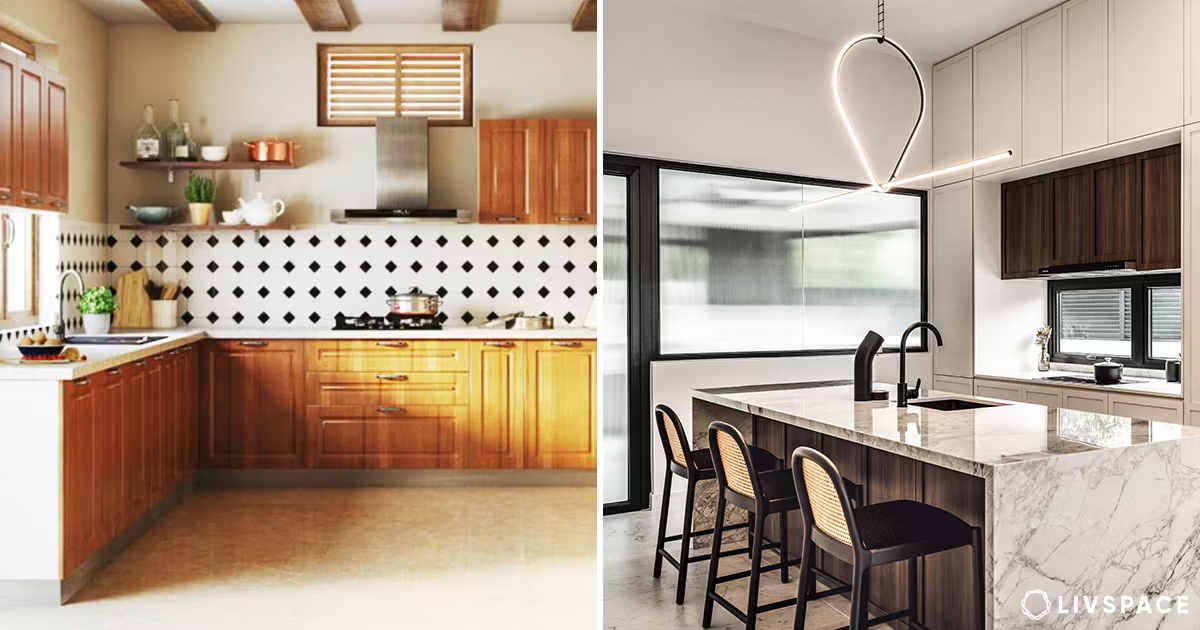
Minimalist kitchens focus on simplicity, clean lines, Kitchen Design Ideas and clutter-free surfaces. This design style has become increasingly popular because it creates a calm, organized environment that feels modern and elegant without appearing overly complicated.
One key element of minimalist kitchens is hidden storage. Instead of displaying utensils, appliances, and cookware openly, cabinets and drawers are designed to conceal clutter. Handleless cabinets, built-in appliances, and sleek surfaces contribute to a streamlined appearance that instantly feels sophisticated.
Color palettes in minimalist kitchens are usually neutral and understated. White, black, gray, beige, and soft wood tones are common choices. These colors help create a clean and timeless look while making the space feel larger and brighter. To prevent the kitchen from looking too sterile, many designers add texture through natural wood finishes, stone countertops, or matte cabinetry.
Lighting also plays an important role in minimalist kitchen design. Recessed lighting, under-cabinet LEDs, and simple pendant fixtures provide both function and elegance without overwhelming the space. The result is a kitchen that feels modern, efficient, and relaxing to spend time in.
Small Kitchen Design Ideas That Maximize Space
Designing a small kitchen can be challenging, Kitchen Design Ideas but smart planning can make even compact spaces highly functional and visually appealing. The key is maximizing every inch without making the kitchen feel crowded.
Vertical storage is one of the best solutions for small kitchens. Installing cabinets that extend to the ceiling creates additional storage space for less frequently used items. Open shelving can also make the room feel more open while offering practical storage for dishes, jars, or decorative accents.
Light colors are another effective strategy in small kitchen design. White cabinets, glossy surfaces, and reflective materials help bounce light around the room, making the area appear larger. Glass cabinet doors and mirrored backsplashes can also create the illusion of more space.
Multifunctional furniture is especially useful in smaller kitchens. Foldable tables, rolling islands, and built-in seating allow homeowners to adapt the space based on their needs. Compact appliances designed specifically for smaller homes can further improve efficiency without sacrificing functionality.
Proper lighting is essential in compact kitchens as well. A combination of overhead lighting, task lighting, and natural light can prevent the space from feeling dark or cramped. Even a small kitchen can feel comfortable and stylish when thoughtfully designed.
Kitchen Island Ideas for Better Functionality
Kitchen islands have become one of the most desired features in modern homes because they combine practicality with style. A well-designed island can completely transform how a kitchen functions and feels.
One major benefit of a kitchen island is additional workspace. Kitchen Design Ideas Whether preparing meals, baking, or organizing groceries, the extra countertop area makes daily tasks easier. Many homeowners also install sinks or cooktops within the island to improve workflow and efficiency.
Storage is another important advantage. Islands often include cabinets, drawers, shelves, or hidden compartments that help reduce clutter throughout the kitchen. This additional storage can be especially valuable in smaller homes where space is limited.
Kitchen islands also serve as social hubs. Adding bar stools turns the island into a casual dining area where family members can eat breakfast, work on laptops, Kitchen Design Ideas or chat while meals are being prepared. In open-concept homes, the island naturally becomes a gathering point for guests during parties or family events.
Design-wise, islands can create visual contrast within the kitchen. For example, homeowners may choose a different cabinet color or countertop material for the island to make it stand out as a centerpiece. This approach adds depth and personality to the overall design.
Smart Storage Solutions for Modern Kitchens
Storage plays a huge role in kitchen design because clutter can quickly make even beautiful spaces feel chaotic. Smart storage solutions help maintain organization while improving functionality and efficiency.
Pull-out pantry systems are one of the most effective storage upgrades. Instead of digging through deep shelves, homeowners can easily access ingredients and supplies with sliding drawers and vertical pull-outs. These systems maximize storage while keeping items visible and organized.
Corner cabinets are another area where smart design matters. Traditional corner spaces often become wasted or difficult to access. Solutions like lazy Susans, swing-out shelves, and pull-out corner drawers make these awkward spaces far more practical.
Drawer organizers are also essential in modern kitchens. Dividers for utensils, spices, cookware, and cutlery prevent clutter while making everyday items easier to locate. Deep drawers for pots and pans are often more convenient than lower cabinets because they eliminate the need to bend and search.
Hidden appliance garages are becoming increasingly popular as well. Kitchen Design Ideas These storage compartments keep coffee makers, toasters, and blenders out of sight when not in use, helping maintain clean countertops and a minimalist appearance.
Trending Kitchen Color Schemes
Color has a powerful influence on the atmosphere of a kitchen. The right color palette can make the space feel warm, luxurious, modern, cozy, or energetic depending on the desired effect.
White kitchens remain timeless because they create a bright and clean appearance. They also pair easily with almost any design style, from traditional to contemporary. However, many homeowners now combine white cabinetry with darker accents to add depth and prevent the space from feeling too plain.
Earthy tones have become increasingly popular in recent years. Shades like olive green, terracotta, warm beige, and muted brown create a cozy and natural atmosphere. These colors work beautifully with wood textures, stone surfaces, and brass hardware.
Dark kitchens are also trending, especially in luxury home designs. Navy blue, charcoal gray, forest green, and matte black cabinetry create dramatic visual impact while maintaining elegance. To balance darker tones, designers often incorporate lighter countertops, Kitchen Design Ideas metallic finishes, and strong lighting.
Two-tone kitchens offer another stylish approach. Combining upper and lower cabinets in different colors creates contrast and visual interest. For example, white upper cabinets paired with navy lower cabinets can make the kitchen feel sophisticated yet inviting.
Lighting Ideas That Transform Your Kitchen
Lighting is often underestimated in kitchen design, but it dramatically affects both appearance and functionality. A well-lit kitchen feels more inviting, practical, and visually appealing.
Layered lighting is the best approach for modern kitchens. This means combining ambient lighting, task lighting, and accent lighting to create balance throughout the space. Ceiling fixtures provide overall illumination, while under-cabinet lighting improves visibility for cooking and preparation tasks.
Pendant lights are especially popular above kitchen islands and dining areas. They act as decorative focal points while providing targeted light. Glass pendants, industrial fixtures, and minimalist designs are all common choices depending on the overall kitchen style.
Natural light should also be maximized whenever possible. Large windows, skylights, and glass doors help create a brighter and more open atmosphere. Natural light not only improves the appearance of the kitchen but can also make the space feel healthier and more comfortable.
Smart lighting systems are becoming increasingly common as well. Homeowners can adjust brightness levels, color temperatures, and schedules using smartphones or voice assistants. This flexibility allows the kitchen to adapt easily for cooking, dining, or entertaining.
Luxury Kitchen Design Inspirations
Luxury kitchens focus on premium materials, advanced technology, and refined aesthetics. However, luxury does not always mean excessive decoration. In many modern homes, luxury is defined by thoughtful details, high-quality craftsmanship, and seamless functionality.
Marble countertops are one of the most iconic luxury kitchen features. Their natural patterns create elegance and uniqueness that instantly elevates the room. Quartz and granite are also popular alternatives because of their durability and sophisticated appearance.
Custom cabinetry is another hallmark of luxury design. Instead of standard storage solutions, custom cabinets are tailored specifically to the homeowner’s needs and preferences. This allows for better organization, improved aesthetics, and a more personalized feel.
High-end appliances also contribute to luxury kitchen experiences. Built-in ovens, smart refrigerators, induction cooktops, and professional-grade ranges combine convenience with performance. Many modern luxury kitchens integrate appliances seamlessly into cabinetry for a cleaner look.
Attention to detail matters greatly in luxury spaces. Features like soft-close drawers, statement lighting, hidden storage, and designer hardware all contribute to a polished and refined environment that feels both practical and visually impressive.
Eco-Friendly Kitchen Design Ideas
Sustainability has become an important consideration in modern kitchen design. Eco-friendly kitchens focus on reducing waste, conserving energy, and using environmentally responsible materials without compromising style.
Energy-efficient appliances are one of the simplest ways to create a greener kitchen. Refrigerators, dishwashers, and ovens with energy-saving certifications reduce electricity consumption while lowering utility bills over time.
Sustainable materials are another growing trend. Bamboo cabinetry, recycled countertops, reclaimed wood, and eco-friendly paints help minimize environmental impact while adding natural beauty to the space. These materials often bring warmth and texture that enhance overall design.
Water-saving fixtures also play a role in sustainable kitchen planning. Modern faucets with low-flow technology reduce water usage without sacrificing performance. Some homeowners also install filtration systems to reduce reliance on bottled water.
Good ventilation and natural lighting further support eco-friendly design goals. Maximizing sunlight reduces the need for artificial lighting during the day, Kitchen Design Ideas while proper airflow improves comfort and indoor air quality naturally.
Timeless Kitchen Design Tips
Trends come and go, but timeless kitchens maintain their appeal for years. Designing a kitchen with longevity in mind helps ensure the space remains stylish and functional over time.
Choosing high-quality materials is one of the best long-term investments. Durable countertops, solid cabinetry, and reliable flooring not only last longer but also maintain their appearance better with daily use. Cheap materials may save money initially but often require replacement sooner.
Neutral foundations are another important strategy. While trendy colors and finishes can be appealing, timeless kitchens usually rely on classic tones for major elements like cabinetry and flooring. Trendy accents can then be introduced through décor, lighting, or accessories that are easier to update later.
Functionality should always come before aesthetics alone. A beautiful kitchen that lacks storage or efficient workflow will quickly become frustrating to use. Prioritizing comfort, organization, and practicality ensures the space supports everyday living effectively.
Finally, personalization matters. The best kitchens reflect the homeowner’s lifestyle and preferences rather than simply copying trends. Incorporating meaningful details, favorite colors, or unique design elements helps create a space that feels authentic and welcoming.
Conclusion
Kitchen design is about far more than appearances. A well-designed kitchen improves functionality, enhances comfort, and creates a welcoming environment for daily life. Whether you prefer sleek modern aesthetics, cozy traditional spaces, luxurious finishes, or compact practical layouts, the right design choices can completely transform your home.
From open-concept layouts and smart storage solutions to stylish lighting and eco-friendly materials, today’s kitchen trends focus on combining beauty with functionality. The key is designing a space that supports your lifestyle while reflecting your personal taste.
As you plan your dream kitchen, focus on balance. Prioritize practicality, invest in quality materials, and choose design elements that will continue to feel comfortable and appealing for years to come. With thoughtful planning and creative ideas, any kitchen can become a stylish and highly functional centerpiece of the home.