

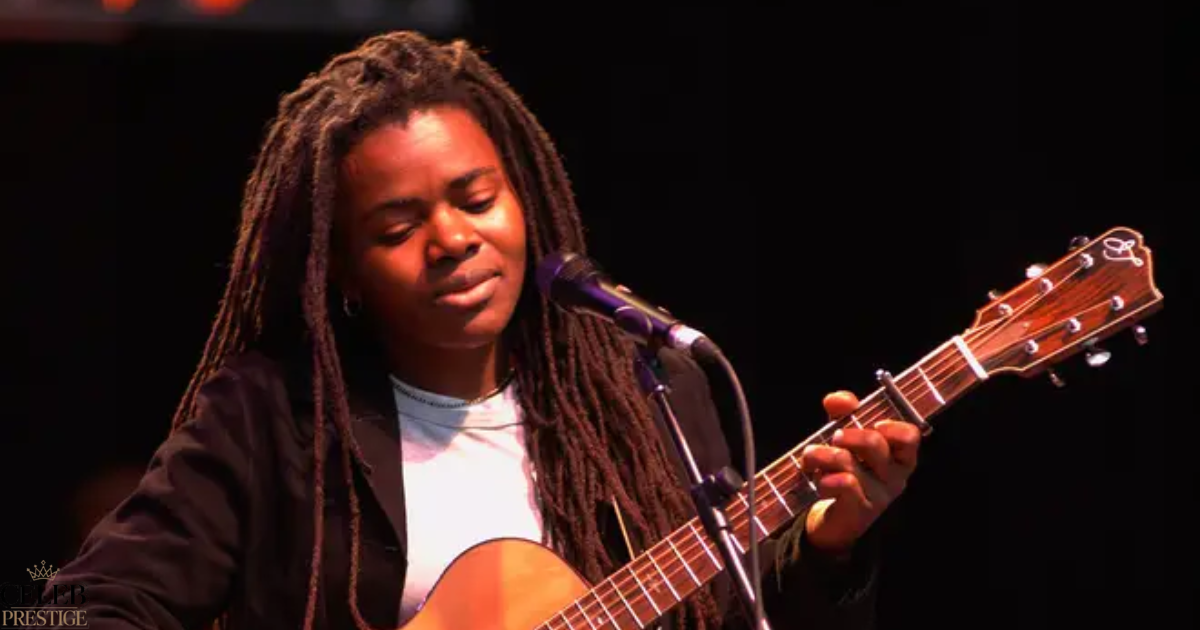
Tracy Chapman: Life, Career, and Personal Details You Need to Know is more than just a story about a famous singer. Tracy Chapman has captured hearts worldwide with her soulful voice and unforgettable hits like Fast Car and Talkin’ ‘bout a Revolution. While fans admire her music career / professional accomplishments, they are equally curious about her romantic relationships / partnerships and her ability to maintain a privacy / low profile despite global fame. Known as a staunch advocate for human rights / LGBT rights, Chapman blends her art with activism, making her journey inspiring for fans and newcomers alike.
Early Life and Background
Tracy Chapman was born on March 30, 1964, in Cleveland, Ohio. Growing up in a modest household, she developed a love for music early on. Her parents encouraged her education, and she attended Tufts University, where she studied African-American studies. Chapman’s upbringing shaped her awareness of poverty and homelessness, themes that appear in her songs.
From a young age, Tracy displayed remarkable musical talent. She played guitar and piano, blending folk, pop, and soul in a unique style. Her early experiences in Ohio and Boston communities helped her develop a sense of purpose. Chapman’s early influences included artists like Alice Walker and the civil rights movement, which informed her activism / social causes in later life.
Musical Career and Biggest Hits
Tracy Chapman’s music career / professional accomplishments began in the late 1980s with her self-titled debut album. The single Fast Car became a global sensation. Her songs often highlight social issues, with poverty and homelessness and human rights struggles woven into her lyrics. Chapman received multiple Grammy Awards, including Best Female Pop Vocal Performance.
Other notable hits include Talkin’ ‘bout a Revolution, Baby Can I Hold You, and Give Me One Reason. She is recognized for her simple but powerful arrangements. Chapman’s songs are celebrated for storytelling that mixes personal emotions with art and activism. The table below lists some of her biggest hits and achievements:
| Song | Album | Achievement |
| Fast Car | Tracy Chapman | Grammy Nominee, Top 10 Billboard |
| Talkin’ ‘bout a Revolution | Tracy Chapman | Political anthem, widely covered |
| Give Me One Reason | New Beginning | Grammy Winner, Blues Chart #1 |
Activism and Philanthropy
Tracy Chapman is a staunch advocate for human rights and LGBT rights. She uses her platform to raise awareness about poverty and homelessness. Her music often merges art and activism, making her an influential figure beyond entertainment. She has performed at events supporting causes like LGBT rights, human rights, and social justice globally.
Chapman’s activism has included collaborations with notable figures like Alice Walker. She supports initiatives at the Frameline Film Festival and works quietly to amplify marginalized voices. Her dedication shows that her music is not just entertainment but a tool for change. Fans admire her for maintaining a low profile while continuing her efforts for justice.
Relationship Status and Personal Life
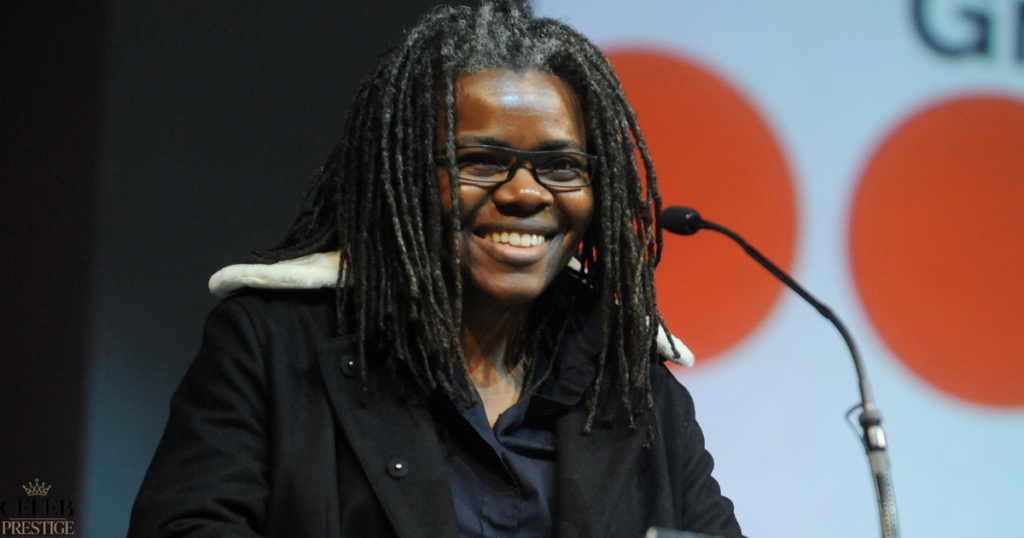
Tracy Chapman has consistently kept her personal life private. She has been publicly associated for the first time with Guinevere Turner, a screenwriter and director, sparking interest in her lesbian / LGBT relationships. Reports indicate their relationship reportedly blossomed over the years, but Chapman rarely discusses it publicly.
Her choice to maintain privacy reflects the discomfort of being in the public eye. Although there is curiosity about her romantic life, Chapman prioritizes her music and activism. She has been linked to other creative partners in the past but continues to keep details out of mainstream media. Fans respect her public vs private life balance.
Privacy and Media Presence
Chapman is famously cautious about media attention. She avoids interviews, social media, and public appearances when unnecessary. This approach demonstrates her commitment to a low profile and protects her personal life. Her selective presence emphasizes the discomfort of being in the public eye while still contributing to causes she believes in.
Her privacy extends to her home and travel routines. Despite speculation, she rarely responds to rumors, showing a deliberate control over her public vs private life. Chapman’s approach contrasts with many modern celebrities, highlighting that fame doesn’t require sacrificing personal boundaries.
Recent Projects and Musical Activity
Though Tracy Chapman rarely releases music, she continues to inspire audiences. Her most recent work includes live performances at intimate venues and collaborations that showcase her enduring talent. She has expressed admiration for contemporary covers of her songs, such as Luke Combs’ rendition of Fast Car.
Chapman has focused on projects that align with her values, blending music with activism / social causes. Her selective approach ensures quality and authenticity. Fans continue to anticipate new releases, knowing Chapman’s work often carries both artistic depth and social commentary.
Public Appearances and Current Whereabouts
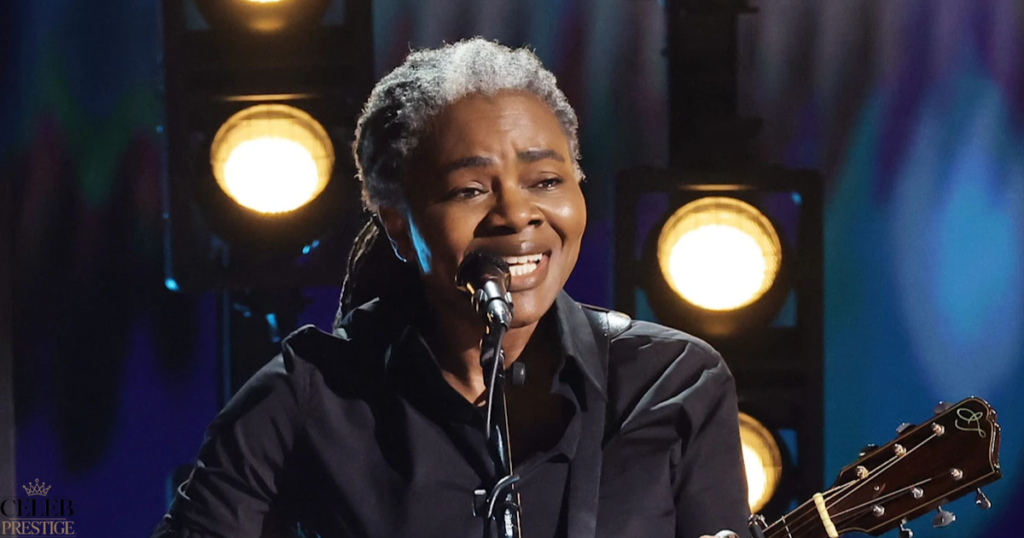
Chapman’s public appearances are rare, but notable events include Grammy performances and special benefit concerts. She has appeared at cultural events supporting human rights / LGBT rights, reflecting her ongoing commitment to social justice. Her selective participation maintains her low profile while keeping fans engaged.
Currently, Chapman lives a relatively private life in the United States. Exact details of her residence remain undisclosed, respecting her personal privacy. Her rare appearances are always newsworthy, showing how even limited public exposure strengthens her influence and mystique.
Legacy and Influence
Tracy Chapman’s legacy is immense. Her songs continue to influence new generations of musicians and activists. She is often cited as a pioneer blending art and activism, inspiring artists like Portia de Rossi and Rose Troche. Chapman’s work has become a reference point for discussions about social justice in music.
Her influence extends beyond the USA, shaping conversations about human rights / LGBT rights worldwide. Her dedication to causes and honest storytelling make her a lasting figure in popular culture. Chapman proves that music can change minds, touch hearts, and inspire action.
Fun Facts and Lesser-Known Details
Chapman has many surprising stories. She once appeared at the Frameline Film Festival quietly to support LGBT filmmakers. She is known for her love of simple living and avoids the typical celebrity lifestyle. Despite her fame, she values her privacy / low profile and the comfort of being away from constant media scrutiny.
Fans often discover her influence indirectly. Chapman reportedly mentors young musicians and contributes anonymously to charitable projects. She has been inspired by figures like Alice Walker, blending literature, music, and activism in her personal ethos. These lesser-known details highlight her depth beyond the music charts.
Conclusion
Tracy Chapman’s journey from Cleveland to international stardom is remarkable. Her music career / professional accomplishments are matched by her commitment to activism / social causes and respect for personal privacy. Fans admire her ability to balance public speculation / media attention with a quiet, meaningful life.
From her early hits like Fast Car to her enduring influence on culture and activism, Chapman’s story is a testament to talent, integrity, and purpose. Understanding her life, career, and personal details gives a full picture of an artist who remains both inspirational and private, proving that music can be powerful beyond fame.
Frequently Asked Questions
Is Tracy Chapman married?
Tracy Chapman has maintained a privacy / low profile regarding her personal life. She has been publicly associated for the first time with Guinevere Turner, but rarely discusses her romantic relationships / partnerships.
What are Tracy Chapman’s most famous songs?
Her hits include Fast Car, Talkin’ ‘bout a Revolution, and Give Me One Reason. These songs showcase her music career / professional accomplishments and powerful storytelling.
Does Tracy Chapman support social causes?
Yes, she is a staunch advocate for human rights / LGBT rights and uses her music to highlight issues like poverty and homelessness.
Why is Tracy Chapman so private?
Chapman values her privacy / low profile to avoid the discomfort of being in the public eye. She prefers to focus on music and art and activism rather than media attention.

“Henry here — Presence with expert SEO strategies.”